How the Beaver Collapsed as a Commodity
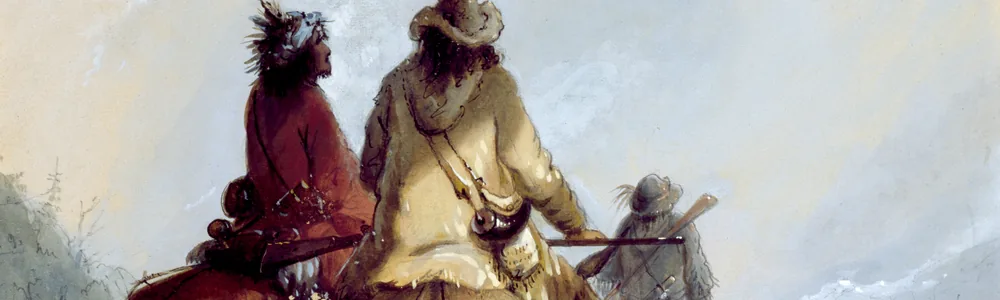
The North American fur trade ran for more than two centuries on a single commodity: the beaver pelt, prized for the felt it made into hats. It collapsed in barely a decade, in the 1830s and early 1840s, for two reasons that arrived together. The beaver had been trapped to near-extinction across the accessible country, and at the same time fashion turned: the silk hat displaced the beaver-felt hat in the cities that set the styles, and the price of a pelt fell away. With the animal scarce and the demand gone, the trade that had built St. Louis simply stopped paying. The fashion change that ended it also saved the beaver.
For most of three centuries, the whole North American fur trade rested on the beaver pelt. A single prime skin was money: trappers in the Rocky Mountain trade of the 1820s and 1830s were paid roughly six to nine dollars for one, and the hatters of London and the eastern cities bought on the order of a hundred thousand pelts a year. An entire economy of brigades, supply caravans, and summer gatherings was built to move that fur out of the mountains. Then, in the space of about ten years, the whole structure came apart. Two things killed it, and they happened to arrive together: the beaver ran out, and the hat that made it valuable went out of style.
The hat that made the beaver worth a fortune
A beaver’s worth was in one layer of its coat: the soft, barbed underfur beneath the coarse outer guard hairs. That underfur felted better than almost anything else known: matted together, it made a dense, water-shedding material that held a shape, took dye, and lasted for years. From the seventeenth century into the 1830s it was the prime material of the European and American hat trade, and the felt was good enough that a beaver hat was a serious possession, handed down and re-blocked rather than thrown away.
Demand for that felt kept the price of a pelt high enough that men would spend a year in the mountains to gather a season’s catch, and high enough that companies would pay to haul tons of supplies hundreds of miles into the wilderness to buy it. The hat on a gentleman’s head in London was the far end of a supply line that reached all the way to a trapper kneeling in an icy Wyoming stream. Cut the demand for the hat, and the whole line goes slack.
Trapped faster than it could breed
The shortage came first, and it had been building for a century. The beaver is not a fast breeder, and the trade harvested it with no limit and no season beyond the quality of the fur. By the 1730s, stocks in the older trading regions had already fallen to about half the level a sustainable harvest would have held. As the eastern beaver thinned out, the trade pushed west, which is the whole reason the Rocky Mountain rendezvous existed at all: the easy country had been trapped clean, and the fur was now deep in the mountains.
Competition made the depletion worse than it had to be. Rival companies trapping the same streams had every reason to take every beaver they could before the other outfit did, and through the 1830s that race stripped whole drainages deliberately, sometimes as a tactic to keep a competitor out. The rest was simple arithmetic: signs of serious depletion were clear by the early 1820s, and a generation of hard trapping after that left the beaver scarce across most of its accessible range. By the time the trade ended, a trapper could work a long season and not fill the packs his father had filled in a few weeks.
When silk took the hat
The demand went the other way: it didn’t bend for a century, it broke in a few years. Through the later 1830s the silk hat displaced the beaver-felt hat in the cities that set fashion. Silk was cheaper to produce, it carried a high gloss the felt could not match, and once the men who set the styles took it up, the change ran quickly through the market. As beaver felt fell out of fashion, the one thing that had made a pelt worth six to nine dollars simply evaporated, and the price followed it down.
Either problem alone the trade could have weathered. Scarce, expensive fur still sells while the hats are in demand; cheap, plentiful fur still sells while a market holds. What broke the business was the two together: a beaver grown hard to find and a hat nobody wanted anyway. The fur was worth less and cost more to get, so sending caravans into the mountains stopped making sense, and the men who financed it walked away.
The phrase “mad as a hatter” comes from real mercury poisoning in the felt trade, but it is usually pinned on the wrong fur. Beaver underfur felts naturally and needed no chemical help. The dangerous mercury process, called carroting, was used on cheaper furs like rabbit and hare. So as the beaver collapsed and hatters turned to those inferior furs, the use of mercury actually rose, and with it the hatters’ tremors and slurred speech. The beaver’s decline did not poison the hatters directly; it pushed the trade toward the furs that did.
The end of the rendezvous and the mountain-man trade
The collapse has a clear date in the mountains. The sixteenth summer rendezvous, held on the Green River in 1840, was the last. With the fur no longer worth the haul, there was nothing left to supply. The signs had been read at the top years earlier: John Jacob Astor, seeing fashion turn and pelts grow scarce, sold off his American Fur Company in 1834, near the height of its dominance. The company he left behind declared bankruptcy in 1842, and by then the era of the mountain man was effectively over as a way to make a living.
The men themselves did not vanish. The skills the trade had built, reading country, handling stock and a rifle far from help, and dealing across the cultures of the Plains, were exactly what the next phase of westward movement needed. Many of the former trappers turned to guiding the wagon emigrations then beginning, scouting for the army, or running trading posts on the new overland trails. The rendezvous world they had lived in was finished, but the country it had opened was about to fill with people who needed men who knew it.
The beaver’s accidental reprieve
The same fashion shift that ruined the trappers saved the animal they hunted. Once the silk hat took over and the price of a pelt fell, the pressure on the beaver came off almost at once, just as the species was nearing the point of vanishing from its range. Demand collapsed before the beaver did, and the population that survived had room to recover.
It was a fitting end for a fur whose worth had always come from fashion, not from the animal. The beaver was never worth a fortune for what it was, only for the hat it could be turned into. When the hat changed, the fortune was gone, and the animal that had carried the whole trade on its back was, for once, better off for it.
Common questions
Why did the fur trade end?
Two causes arrived together in the 1830s and early 1840s. Beaver had been trapped to near-extinction across the accessible country after a century and a half of unlimited harvest, and at the same time the silk hat replaced the beaver-felt hat in fashion, so the price of a pelt fell sharply. With the fur both scarce and no longer in demand, hauling supply caravans into the mountains no longer paid, and the trade wound down. The last great rendezvous was held in 1840.
What made beaver fur so valuable in the first place?
The soft, barbed underfur beneath the beaver’s outer coat felted better than almost any other material. It made a dense, water-shedding felt that held its shape and lasted for years, which made it the prime material of the European and American hat trade from the seventeenth century into the 1830s. A prime pelt was effectively money: Rocky Mountain trappers were paid roughly six to nine dollars apiece during the boom, and hatters bought around a hundred thousand pelts a year.
Did the beaver actually go extinct?
It came close across much of its range but survived. By the late 1830s the beaver had been trapped out of most of the accessible country, but the fashion shift to silk hats collapsed demand just as the animal was nearing disappearance. With the trapping pressure suddenly gone, the surviving population had room to recover. The fashion change that ended the trade is, ironically, what saved the species.
Why did silk hats replace beaver felt?
Through the later 1830s the silk hat became the fashionable choice in the cities that set styles. Silk was cheaper to produce and carried a high gloss that beaver felt could not match, and once tastemakers adopted it the change spread quickly. As beaver felt fell out of fashion, the demand that had sustained the entire fur trade for three centuries disappeared within a decade.
Is “mad as a hatter” about beaver hats?
Not directly, and the connection is usually told wrong. The phrase comes from real mercury poisoning among hatters, but beaver underfur felts naturally and needed no chemical treatment. The dangerous mercury process, called carroting, was used on cheaper furs such as rabbit and hare. As the beaver collapsed and the trade turned to those inferior furs, mercury use rose, and so did the poisoning. The beaver’s decline pushed the industry toward the furs that actually caused the harm.
What happened to the mountain men after the trade collapsed?
They put their skills to new use. Reading country, handling a horse and rifle far from help, and dealing across the Plains nations were exactly what the next phase of westward expansion required. Many former trappers became guides for the wagon emigrations, scouts for the army, or operators of trading posts on the overland trails. The rendezvous era ended around 1840, but the men of the trade carried its knowledge into the settlement of the West.
When exactly did the trade collapse?
The decline ran through the 1830s and came to a head at the start of the 1840s. Signs of serious beaver depletion were clear by the early 1820s; the silk hat took over fashion through the later 1830s; the last great rendezvous was held in 1840; Astor had sold off his American Fur Company in 1834 and the firm declared bankruptcy in 1842. The broader North American fur business wound down over the following decades.
Did over-trapping or fashion end the trade?
Both, and neither alone would have been fatal so quickly. A scarce, expensive fur can sustain a trade if demand stays high, and cheap, plentiful fur can sustain one if a market remains. The fur trade faced the two together: a beaver grown hard to find and a hat nobody wanted. It was the combination, scarcity and collapsed demand at the same moment, that ended three centuries of trade in about ten years.